Shabby Chic Tea Cup: Vintage Elegance for Modern Design
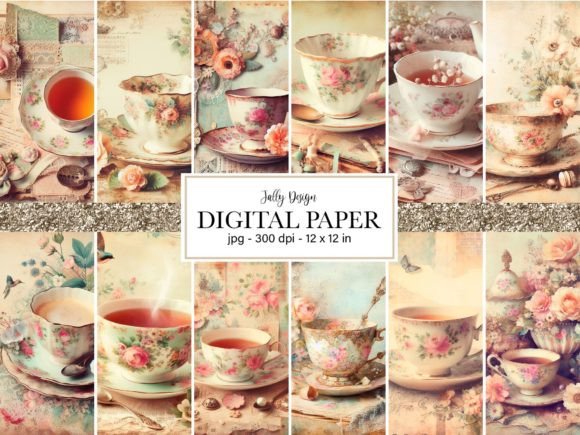
There's something undeniably captivating about a well-worn vintage teacup—the soft floral patterns, the gentle curves, the sense of history held in porcelain. The Shabby Chic Tea Cup collection captures that exact feeling and translates it into a versatile set of design assets. This isn't just another decorative image pack. It's a thoughtfully curated collection of AI-generated illustrations that bring warmth, nostalgia, and refined elegance to creative projects across industries.
Each illustration in this collection features delicate tea cup designs rendered in the shabby chic aesthetic—a style defined by its romantic, lived-in quality. Think faded pastels, soft edges, vintage florals, and that characteristic blend of elegance and imperfection that makes shabby chic so enduringly popular. The illustrations invite you to zoom in and explore every detail, from the subtle texture of aged porcelain to the intricate hand-painted motifs that adorn each cup.
Understanding the Shabby Chic Aesthetic and Its Design Appeal
Shabby chic as a visual language sits at the intersection of vintage charm and modern sensibility. It draws from Victorian and cottage-era design traditions but strips away the heaviness, leaving behind a lighter, more approachable aesthetic. The Shabby Chic Tea Cup illustrations embody this balance perfectly. They feel timeless without being stuffy, detailed without being cluttered, and decorative without overwhelming a composition.
What makes this aesthetic particularly valuable for designers and creators is its emotional resonance. People connect with shabby chic visuals on a visceral level—they evoke comfort, femininity, warmth, and a sense of tradition. For brands and projects targeting audiences who appreciate craftsmanship, heritage, or handmade quality, these illustrations communicate those values instantly and wordlessly.
The color palettes typically associated with shabby chic—muted roses, sage greens, creamy whites, dusty blues, and soft lavenders—also happen to be incredibly versatile. They complement both warm and cool design schemes, pair beautifully with modern typography, and provide enough visual interest to anchor a layout without competing with text or other design elements.
Practical Applications Across Creative Projects
The real strength of the Shabby Chic Tea Cup collection lies in its adaptability. These illustrations aren't limited to a single use case. They function as design assets across a remarkably broad range of projects, and understanding where they fit best helps you extract maximum value from the collection.
Invitations and Stationery
Wedding invitations, bridal shower announcements, garden party RSVPs, and tea party event cards are natural homes for shabby chic tea cup imagery. The illustrations provide an immediate visual cue about the event's tone and style. A single tea cup illustration placed as a focal point on an invitation card sets expectations before guests read a single word. For stationery designers, these assets eliminate the need to source or create custom vintage illustrations from scratch.
Wallpapers and Surface Design
Repeating patterns built from shabby chic tea cup illustrations work beautifully for digital wallpapers, phone backgrounds, and even physical surface design for textiles or wrapping paper. The key here is scale—these 12x12 inch, 300dpi illustrations provide enough resolution to tile seamlessly and maintain crisp detail at various output sizes.
Fashion and Textile Design
Fashion designers and textile creators working within vintage, romantic, or cottagecore aesthetics will find these illustrations particularly useful. They can be incorporated into fabric prints, accessory designs, or lookbook layouts. The shabby chic style has maintained consistent popularity in fashion, making these assets relevant season after season.
Digital Products and Marketing
Digital product creators—those designing printable planners, journal pages, digital stickers, or social media templates—can integrate tea cup illustrations as decorative elements that elevate perceived value. For social media graphics, a well-placed shabby chic illustration adds personality to Instagram posts, Pinterest pins, and Facebook banners without requiring extensive design time.
Bloggers and content creators in niches like lifestyle, home décor, entertaining, and food can use these illustrations as header images, section dividers, or featured graphics that reinforce their brand's visual identity.
Branding and Logo Design Support
While these illustrations work best as supporting elements rather than primary logo design components, they serve as excellent brand collateral. A tea room, vintage boutique, bakery, or artisan brand could use these illustrations across packaging, business cards, website graphics, and promotional materials to build a cohesive brand identity that feels authentic and carefully considered.
Technical Specifications That Matter
Understanding the technical details of any design asset is essential before incorporating it into professional work. The Shabby Chic Tea Cup collection arrives as .JPEG files at 300dpi, sized at 12x12 inches. Here's why those specs matter in practice.
At 300dpi and 12x12 inches, each illustration delivers 3600x3600 pixels of resolution. That's more than sufficient for high-quality print output—invitations, posters, packaging inserts, and editorial layouts will reproduce these illustrations with sharp, clean detail. For digital use, you have generous room to crop, resize, and reposition without sacrificing quality.
The JPEG format keeps file sizes manageable while maintaining visual fidelity. For projects requiring transparency or layering, JPEGs can be easily processed in any standard image editor to remove or adjust backgrounds.
Making These Illustrations Work in Real Projects
A few practical observations from working with decorative illustration packs like this one:
- Test at actual size. View illustrations at the scale you plan to use them. A tea cup that looks detailed at full resolution might lose impact when reduced to a thumbnail for social media.
- Consider your font pairing carefully. Shabby chic illustrations pair naturally with script fonts, handwritten fonts, and elegant serif fonts. Avoid pairing them with overly geometric or industrial sans serif fonts, which can create visual dissonance.
- Use restraint. One well-placed illustration often communicates more effectively than scattering multiple images across a layout. Let the tea cup be a focal point, not background noise.
- Color adjust for consistency. If the illustration's palette doesn't perfectly match your project's color scheme, simple hue and saturation adjustments in your design software can bring everything into harmony without losing the shabby chic character.
Who Benefits Most from This Collection
This collection serves a wide audience, but certain professionals will find it especially useful. Small business owners in the hospitality, lifestyle, or artisan space can build cohesive visual branding without commissioning custom illustrations. Publishers and editorial designers working on book covers, magazine features, or blog layouts gain access to polished decorative elements. Crafters and hobbyists creating handmade cards, scrapbook pages, or printable art get professional-quality imagery at their fingertips.
Entrepreneurs developing digital products—printable wall art, planner inserts, or greeting card templates—can incorporate these illustrations to create products that feel premium and thoughtfully designed. The commercial licensing flexibility means you're not just decorating; you're building assets that generate value.
The Shabby Chic Tea Cup collection ultimately represents a practical intersection of aesthetic appeal and functional versatility. It delivers the warmth and character of vintage design in a format that meets the technical demands of modern creative work—whether that work lives on screen, on paper, or on fabric. For anyone whose projects benefit from a touch of romantic, handcrafted elegance, this collection deserves a closer look.